
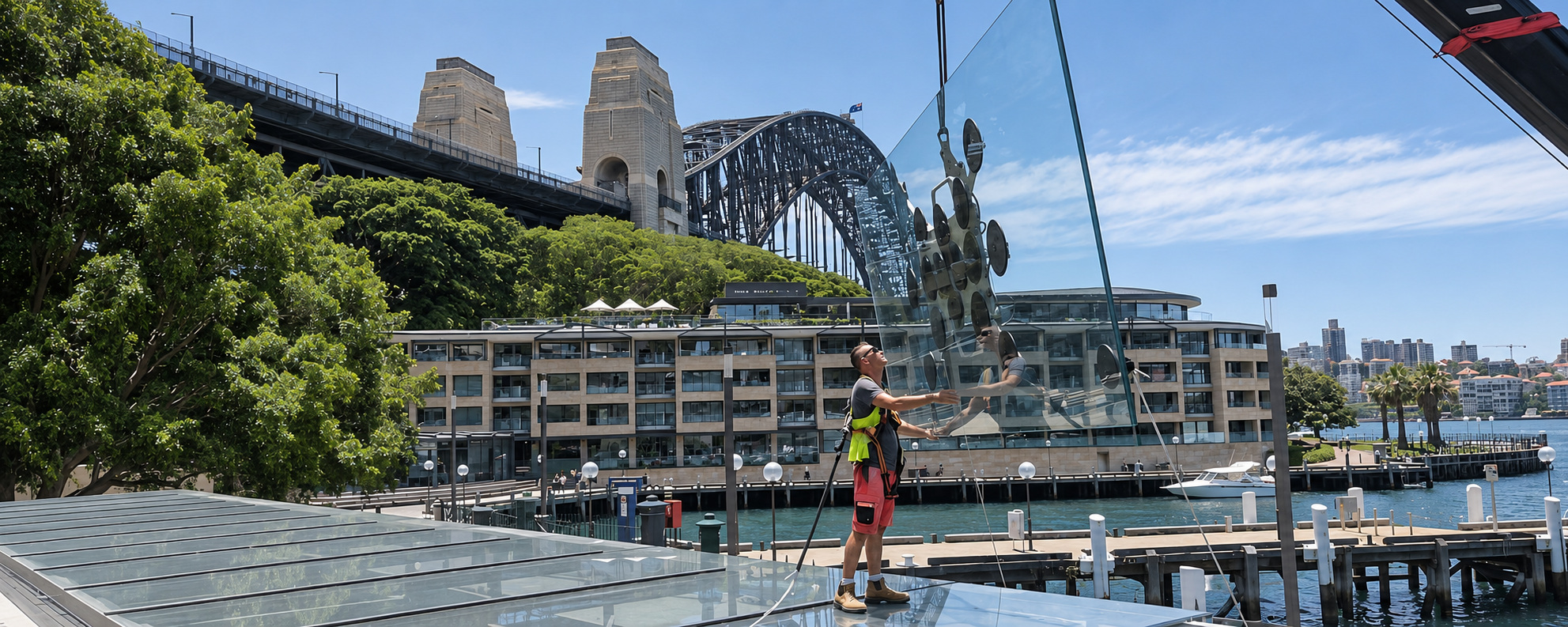
1. ACOUSTICS & GLASS
MASTER GLASS FACADES
━━━━━━━━━━━━━━━━━━━━━━━━━━━━━━━━━━━━━━━━━━
Glass is not simply about thickness or strength. Glass selection can make a major difference to acoustic performance.
Different glass thicknesses, laminated glass, acoustic interlayers and insulated glazing configurations can all affect how much outside noise enters a building.
The important point is that there is no single glass that is “the best” for every acoustic application.
Traffic, aircraft, machinery, construction and other noise sources have different frequency characteristics, so the glass needs to be selected for the actual problem.
Our approach is simple: identify the noise, understand the building and select the glass system that is fit for purpose.
OUR ACOUSTIC PERFORMANCE TABLES PROVIDE THE TECHNICAL INFORMATION NEEDED TO COMPARE GLASS CONFIGURATIONS.
FIT FOR PURPOSE COMES FIRST.
Acoustic performance must be assessed for the complete glazing system and the requirements of the particular project.
OPEN ACOUSTIC PERFORMANCE →
01 / 11
2. ARCHITECTURAL GLASS CLASSIFICATION
MASTER GLASS FACADES
━━━━━━━━━━━━━━━━━━━━━━━━━━━━━━━━━━━━━━━━━━
The basic glass families used across modern architectural glazing.
| CODE | GLASS TYPE | WHAT IT MEANS / PRACTICAL USE |
| AF | Annealed / Float / Plate | Standard non-toughened glass family; the basic starting material for many architectural glazing applications. |
| HS | Heat-Strengthened | Glass strengthened by controlled heat treatment; stronger than annealed glass while retaining a breakage pattern different from toughened glass. |
| TG | Toughened | Heat-treated safety glass with increased strength and a characteristic breakage pattern into small particles. |
| LG | Laminated | Two or more glass sheets bonded with an interlayer; the interlayer helps retain the glass after breakage. |
| TLG | Toughened Laminated | Toughened glass laminated together to combine increased strength with post-breakage retention. |
| LE | Low-E | Low-emissivity coated glass used to improve thermal performance by controlling radiant heat transfer. |
| DGU | Double Glazed Unit | A sealed glazing unit made from two panes of glass separated by a spacer and cavity. |
| IGU | Insulating Glass Unit | The broader technical term for a sealed multi-pane insulating glazing assembly; commonly used for double or triple glazing. |
These are the basic glass families used across modern architectural glazing. Different glass types can be combined to achieve the required safety, strength, thermal, acoustic and architectural performance.
OPEN GLASS CLASSIFICATION →
02 / 11
3. BALUSTRADES & GLASS BARRIERS
MASTER GLASS FACADES
━━━━━━━━━━━━━━━━━━━━━━━━━━━━━━━━━━━━━━━━━━
Glass balustrades and barriers are specialist applications where glass selection, fixing, loading and retention are critical.
The glass must be selected for the actual application and installed as a complete engineered system.
Modern balustrading requirements make correct glass selection and detailing particularly important.
FIT FOR PURPOSE COMES FIRST.
OPEN BALUSTRADE & BARRIER DATA →
03 / 11
4. FIT FOR PURPOSE
MASTER GLASS FACADES
━━━━━━━━━━━━━━━━━━━━━━━━━━━━━━━━━━━━━━━━━━
THIS IS OUR NUMBER-ONE RULE.
Glass should never be selected simply because it is available, familiar or because it has been used somewhere else.
Every application is different.
The glass must be suitable for the location, loads, safety requirements, environmental conditions, thermal requirements, acoustic requirements and intended use.
AT MASTER GLASS FACADES, EVERYTHING WE DO IS FIT FOR PURPOSE.
That principle applies to glass, aluminium systems, facades, roofs, windows, doors and every specialist glazing system we design or install.
OPEN FIT FOR PURPOSE →
04 / 11
5. HEAT-SOAKED GLASS
MASTER GLASS FACADES
━━━━━━━━━━━━━━━━━━━━━━━━━━━━━━━━━━━━━━━━━━
Heat soaking is a test — it is not a magic process that makes glass stronger.
Heat soaking is intended to identify toughened glass containing critical nickel sulphide inclusions that may otherwise lead to spontaneous breakage.
Based on 70 years of family glazing experience, we believe the practical benefit of heat soaking needs to be considered carefully for each application.
We have seen furnace failures where one pane breaks during heat soaking and damages surrounding glass, potentially destroying a batch and causing major project delays.
Our position is not that nickel sulphide does not exist. It is that the decision to heat soak should consider the application, the potential risk, the process and the project requirements.
OUR VIEW IS BASED ON PRACTICAL EXPERIENCE — NOT A MANUFACTURER’S BROCHURE.
Applicable Australian Standards and project-specific engineering requirements must always be followed.
OPEN HEAT-SOAKED GLASS →
05 / 11
6. NICKEL SULPHIDE & SPONTANEOUS BREAKAGE
MASTER GLASS FACADES
━━━━━━━━━━━━━━━━━━━━━━━━━━━━━━━━━━━━━━━━━━
Nickel sulphide inclusions can occur within toughened glass and, in rare circumstances, may contribute to spontaneous breakage.
The difficulty is that an inclusion can remain dormant for a period of time before changing and causing the glass to fail.
This is one of the reasons nickel sulphide has been an important consideration in the history of toughened glass.
Heat soaking can reduce the risk by screening for some critical inclusions, but it cannot guarantee that spontaneous breakage will never occur.
Our approach is to understand the risk and select the glass system that is fit for purpose.
OPEN NICKEL SULPHIDE →
06 / 11
7. ROOF GLASS — THE “BLANKET EFFECT”
MASTER GLASS FACADES
━━━━━━━━━━━━━━━━━━━━━━━━━━━━━━━━━━━━━━━━━━
One of the things we see in roof glazing is toughened glass used on both the external and internal layers.
We don’t believe that is always the best solution.
On high-rise roofs, birds can pick up small stones, gravel and other objects from rooftops and drop them onto glass below. A hard enough impact can cause the external toughened pane to fail.
If both panes are toughened, that impact can potentially cause both layers to fail together.
THAT’S WHAT WE CALL THE “BLANKET EFFECT”.
OUR APPROACH:
Toughened glass on the external layer.
Heat-strengthened glass on the internal layer.
If the external toughened pane fails, the heat-strengthened inner pane is much less likely to fail at the same time.
ONE BREAKS. THE OTHER STAYS THERE.
We’ve also designed our own roof-glass product that takes this principle further, incorporating a deliberately designed sacrificial element that can readily break under the right conditions while helping protect the primary glass system beneath it.
We won’t give away the whole design here.
If you’ve got a roof, skylight or architectural glass application where impact and glass failure are a concern, talk to us about it.
Roof glazing must always be designed and selected in accordance with applicable Australian Standards, engineering requirements and project-specific conditions.
OPEN ROOF GLASS / BLANKET EFFECT →
07 / 11
8. THERMAL PERFORMANCE & GLASS
MASTER GLASS FACADES
━━━━━━━━━━━━━━━━━━━━━━━━━━━━━━━━━━━━━━━━━━
Good thermal performance isn’t achieved simply by putting double glazing into a window.
Glass selection needs to consider heat gain, heat loss, solar exposure, orientation, Low-E coatings, glass colour, the insulated glass unit and the frame itself.
A good glazing system can help control solar heat entering a building and reduce unwanted heat transfer through the glass.
But every building is different.
A glass specification that works beautifully on one elevation may be completely wrong on another.
That’s why we don’t believe in simply selecting a glass because it is the latest product or because somebody says it has the best numbers.
WE SELECT GLASS TO SUIT THE BUILDING, THE ORIENTATION, THE ENVIRONMENT AND THE PURPOSE.
OUR THERMAL PERFORMANCE TABLES PROVIDE THE TECHNICAL INFORMATION NEEDED TO COMPARE DIFFERENT GLAZING CONFIGURATIONS.
FIT FOR PURPOSE.
OPEN VIRIDIAN PERFORMANCE DATA →
08 / 11
9. TOUGHENED LAMINATED GLASS
MASTER GLASS FACADES
━━━━━━━━━━━━━━━━━━━━━━━━━━━━━━━━━━━━━━━━━━
Toughened laminated glass combines the strength of toughened glass with the retention characteristics of laminated glass.
Two or more sheets of glass are bonded with an interlayer. If the glass breaks, the interlayer helps retain the broken glass and maintain the integrity of the glazing assembly.
It is widely used in applications where strength, safety and post-breakage retention are important.
As with all specialist glazing, the correct thickness, make-up and interlayer must be selected for the actual application.
FIT FOR PURPOSE COMES FIRST.
OPEN TOUGHENED LAMINATED GLASS →
09 / 11
10. TOUGHENED MIRROR
MASTER GLASS FACADES
━━━━━━━━━━━━━━━━━━━━━━━━━━━━━━━━━━━━━━━━━━
We are old-school glaziers. Our family has worked with mirror through many generations — from the original mirror products, through mercury mirror, copper-backed mirror and products such as Viridian Twin Coated Copper Mirror.
We even used to have mirrors re-silvered when they deteriorated. That part of the industry has largely disappeared.
We remember some of those old mirrors as exceptionally good products.
SO WHY TOUGHENED MIRROR?
The biggest misconception is that toughened mirror is primarily about safety.
IT ISN’T.
Once a mirror is properly installed against a wall, conventional mirror is already relatively protected. Toughened mirror is primarily about where and how the mirror is being used, particularly in demanding architectural applications.
We’ve used mirror in some very unusual applications. For example, we installed around 1,000 mirrors beneath the Harbour Bridge, where controlling reflection was the whole point of the exercise.
That’s when mirror becomes an architectural material — not just something you put on a bathroom wall.
Modern toughened mirror is a very different product from the mirrors we grew up with.
It’s not just a mirror. It’s an architectural surface.
ADAM PUNIN
STRUCTURAL & ARCHITECTURAL FACADE GLAZING SPECIALIST
70 Years of Family Glazing Experience
OPEN TOUGHENED MIRROR →
10 / 11
11. STANDARDS & REQUIREMENTS
MASTER GLASS FACADES
━━━━━━━━━━━━━━━━━━━━━━━━━━━━━━━━━━━━━━━━━━
| CODE / STANDARD | STANDARD / REQUIREMENT | WHAT IT COVERS |
| AS 1170.2 | Wind Actions | Wind pressures and structural wind loads. |
| AS 1288 | Glass Selection & Installation | Glass selection, thickness, safety glazing and installation. |
| AS 2047 | Window Manufacture & Testing | Windows, glazed doors and window walls. |
| AS 2208 | Safety Glazing | Safety-glass classification and testing. |
| AS 4284 | Facade Testing | Performance testing of building facades. |
| AS 4654.2 | Facade Waterproofing | External waterproofing membranes and facade interfaces. |
| AS 4667 | Glass Manufacture & Quality | Quality requirements for cut-to-size and processed glass. |
| NCC / WHS | Building & Site Requirements | Overall building requirements, plus delivery, unloading, storage, lifting and installation safety. |
IMPORTANT: This list is a practical reference, not a substitute for checking the current edition of the applicable Standard, the NCC, project specifications, engineering documentation or statutory requirements. The applicable requirements must be confirmed for the actual project and application.
OPEN STANDARDS & REQUIREMENTS →
11 / 11

